The Oahu Fresh Clean Method•All-non-toxic plan by request
The Non-ToxicStandard for aHealth-Conscious Home.
I’m particular about what I bring into your home. I start with a non-toxic everyday path when the surface fits, match the product and tool to the finish and buildup, and only step up when the job actually calls for it.
✓
No mystery bottles. No strongest-product-by-default routine. If something outside the product plan would be useful, I’ll explain why before changing course.
Specific product claims are manufacturer-attributed where shown. Surface compatibility and label directions still govern use.
The Oahu Fresh Clean systemNon-toxic starting path + floor-specific HEPA equipmentProducts and tools are matched to the home instead of used by habit.
All-non-toxic by requestExact products confirmed before service
Surface firstFinish and buildup guide the method
HEPA Class 13Miele states 99.95% capture for the current SF-HA 50-1
Owner-led planProduct preferences reviewed before service
OFC4 CHECKS
TheOFCMethodOwner-led
Non-toxic everyday start•All-non-toxic by request
The Non-Toxic Standard for a Health-Conscious Home.
I’m particular about what I bring into your home. I start with a non-toxic everyday path when the surface fits, match the product and tool to the finish and buildup, and only step up when the job actually calls for it.
99.95%
HEPA Class 13Miele manufacturer-stated capture for the current SF-HA 50-1 replacement filter.
Your product plan stays visibleNo mystery bottles.
Want everything kept non-toxic? Tell me before scheduling. I’ll confirm the plan first and explain any tradeoff before I change course.
Oahu Fresh Clean uses an owner-led method that starts with a non-toxic everyday path when compatible, matches products and floor tools to the surface and buildup, offers an all-non-toxic plan by request, and uses Miele HEPA Class 13 filtration with manufacturer-stated 99.95% capture for the referenced replacement filter.
OFC4 CHECKS
OFCThe OFC Four-Check Method
I don’t pick a bottle.I make a product decision.
Owner-led product decision
Before I bring anything into your home, I check four things: the surface, the buildup, the household, and the result you want. If the non-toxic everyday path fits, I start there. If the job truly needs a specialty product, I use it for a reason—not by habit.
SurfaceBuildupHouseholdResult
01 · Surface
The finish gets veto power.
Stone, sealed wood, glass, stainless, grout, laminate, coatings, and flooring don’t all tolerate the same chemistry, dwell time, pressure, or tool. I choose around what the material can actually handle.
Finish before formula
02 · Buildup
I treat what’s actually there.
Grease, soap film, hard-water minerals, red dirt, and everyday dust are different problems. I match the product and agitation to the buildup instead of making one cleaner do every job.
Problem before product
03 · Household
Your home changes the plan.
Pets, keiki, kūpuna, fragrance sensitivity, delicate finishes, and product preferences are part of the decision before I start—not notes I remember after.
Home before habit
04 · Result
A stronger step has to earn its place.
If the gentler practical path can deliver the result, I stay there. If a specialty product is genuinely needed, I target it to that task and keep your agreed product boundary visible.
Reason before escalation
All-non-toxic by request · Your product boundary
Want the whole cleaning kept non-toxic? Tell me before scheduling.
I’ll build the visit around that preference, confirm the exact products that fit your surfaces and requested work, and flag any tradeoff before I change the plan.
No quiet substitutions. If something outside the agreed product plan would genuinely help, I’ll explain why, what changes, and let you decide first.
The current cleaning kit
What I actually use — and why each one is here.
I’d rather understand a small kit well than carry a cabinet of random bottles and reach for whatever smells strongest. Routine soil, mineral buildup, sanitizing, degreasing, and sealed-floor care each stay in their own lane.
01Routine-cleaning base
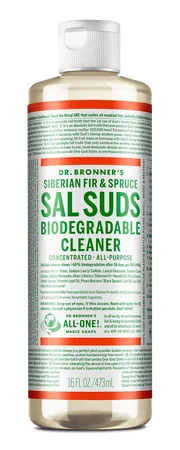
Dr. Bronner’s Sal Suds
Plant-based · biodegradable · non-toxic when used as directed
This is the bottle I use most often on compatible washable hard surfaces, counters, fixtures, touchpoints, and ordinary household soil. It handles the routine role without making specialty chemistry the default.
1
Why I keep it in the kitIts concentrated plant-based surfactants handle routine grease and soil, work in hard or soft water, and rinse freely.
2
What I still checkDilution, finish compatibility, eye and ingestion precautions, and spruce/fir fragrance sensitivity still matter.
Purpose-matched care for compatible soap scum, hard-water haze, mineral residue, and stubborn bathroom or kitchen buildup.
Why this path fits mineral buildup +
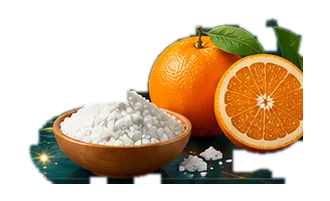
A familiar ingredient
Citric acid occurs naturally in citrus fruit and is also part of normal biological metabolism. Cleaning-grade citric acid is commonly produced by fermenting plant-derived sugars; exact sourcing varies by supplier.
Why it helps here
Its acidity and calcium-binding behavior help loosen hard-water minerals and alkaline buildup while Dawn surfactants help lift oils and loosened soil.
Surface-aware by design
I reserve this path for compatible finishes and choose a different product plan for natural stone or other acid-sensitive materials. Each specialty product stays in its own role.
Compatible kitchen and utility surfaces with heavy grease, oil, sticky cooking residue, or difficult buildup.
Use boundary and official source +
Why this path
GP101 supplies concentrated grease-cutting power while Dawn adds surfactant support for lifting greasy residue.
Check first
A stronger specialty degreasing path. It stays separate from citric acid, H2Orange2 117, and incompatible products; surface compatibility, ventilation, and protective handling are checked first.
Compatible sealed hard floors including LVP/LVT, laminate, sealed hardwood, linoleum, tile, porcelain, ceramic, epoxy/resin, granite, and sealed concrete.
Use boundary and official source +
Why this path
The manufacturer describes this pH-neutral concentrate as plant-based and non-toxic when used as directed, with fast-drying, residue-conscious performance for compatible sealed floors.
Check first
Not for unsealed wood, carpet, rugs, or porous/fibrous surfaces. It has a citrus fragrance profile, so fragrance sensitivity should be shared before scheduling.
01Familiar ingredientNaturally occurs in citrus fruit
Familiar citrus chemistryChosen specifically for hard-water and mineral buildup.
Why one cleaner isn’t enough
A hard-water ring and everyday dust are different problems.
Mineral scale is a good example of why I don’t use one product everywhere. On compatible bathroom and kitchen surfaces, an acidic path can help with hard-water scale and soap residue; acid-sensitive finishes get a different plan.
01
TargetedUsed where hard-water haze, mineral scale, and compatible soap residue are actually present.
02
Surface-awareNatural stone and other acid-sensitive finishes receive a different approach.
03
Separate pathMineral care stays separate from sanitizing, degreasing, and routine-cleaning products.
✓
Surface-matched care: I use this path where the finish and buildup make it a good match. Natural stone and other acid-sensitive finishes simply receive a different product plan.
Professional use note: Citric Acid + Dawn and GP101 + Dawn are Oahu Fresh Clean custom blends selected for specific jobs. H2Orange2 117 and the floor concentrate are used independently according to their directions. Product paths stay separate, and bleach or chlorine products are never added to these blends.
Need the technical distinction? Compare any two product paths.+
What I remove should stay contained
Serious equipment is part of the cleaning.
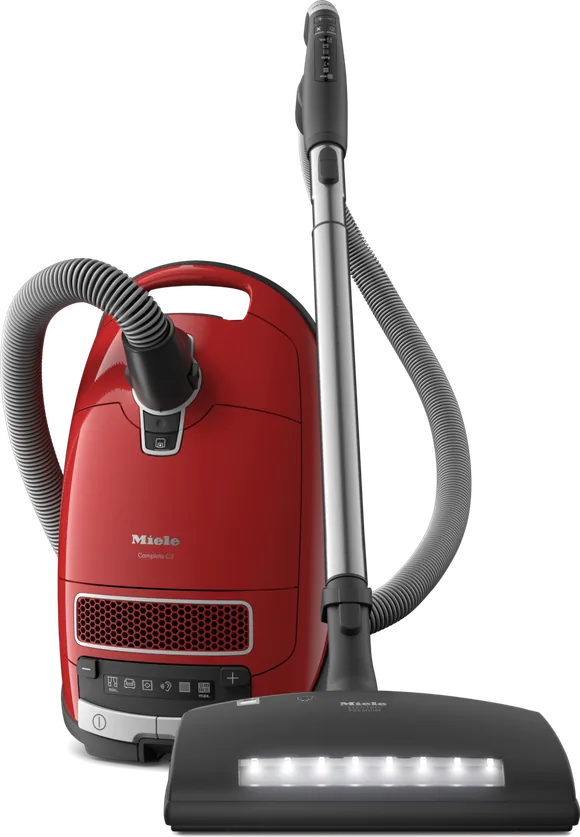
I use a bagged Miele canister because the result isn’t only what you can see on the floor. Containment, exhaust filtration, and the right floorhead matter to me too.
S8390HomeCare • red canister
THE CANISTER I USE
Miele S8 / S8390 HomeCare
I chose this bagged system because I care about controlled pickup, durable engineering, and being able to match a genuinely different floorhead to carpet and sensitive hard flooring.
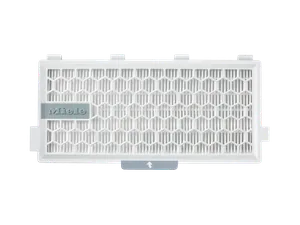
99.95%Miele-stated captureCurrent SF-HA 50-1 replacement family: HEPA Class 13 under DIN EN 1822/2019. Equipment specification, not a medical or health guarantee.
01
Bagged containmentCollected debris stays in the GN bag system instead of an open bin I have to empty after the cleaning.
02
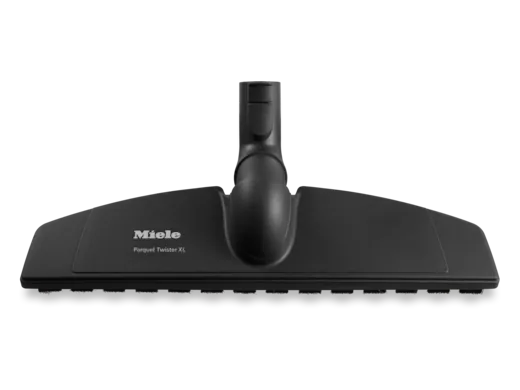
Floor-specific controlThe SEB 236 handles carpet agitation while the Parquet Twister XL uses soft natural bristles for sensitive hard floors.
03
HEPA exhaust pathI use a compatible HEPA AirClean exhaust filter and follow the equipment’s fit, replacement, and maintenance requirements.
SEB 236 Electro Premium
My carpet tool. Miele specifies a motor-driven brush, five-level height adjustment, integrated lighting, and an electrically powered roller for deeper carpet cleaning.
Carpet • agitation • headlight
Parquet Twister XL
My sensitive-hard-floor tool. Miele lists soft natural bristles, a 16-inch width, and a unique double-swivel neck for broad, flexible pickup.
Hard floors • natural bristles • 16 inches
HEPA AirClean filter
My exhaust-filter upgrade. Miele describes the current SF-HA 50-1 as HEPA Class 13 and states 99.95% capture of viruses, bacteria, and particles under DIN EN 1822/2019.
Exhaust filtration • Class 13
Official equipment sources and model documentation+
Equipment note: manufacturer filtration figures are equipment specifications, not medical or health guarantees. Actual performance depends on correct compatibility, bags and filters, installation, maintenance, seals, and operating conditions.
Quick answers
The questions I would ask before letting someone clean my home.
Can you keep my entire cleaning non-toxic?+
Yes. Tell me before scheduling. I’ll review the surfaces and requested work, confirm the exact product plan with you, and keep the agreed cleaning inside that boundary.
Does non-toxic mean weaker cleaning?+
No. My goal is to match the chemistry, tool, and technique to the actual problem instead of assuming stronger chemistry automatically means a better result.
Will every product shown here be used in my home?+
No. Specialty products are task-specific. The final path depends on the surfaces, buildup, requested scope, label directions, compatibility, and the preferences you share before scheduling.
What happens if something needs specialty chemistry?+
If it falls outside the product plan we discussed, I’ll explain why it may help and what the tradeoff is before changing course. You stay part of that decision.
What vacuum and filtration do you use?+
I use a bagged Miele S8 / S8390 HomeCare canister with compatible HEPA AirClean filtration, the SEB 236 electric carpet powerhead, and the SBB 400-3 Parquet Twister XL for sensitive hard floors. Miele currently specifies 99.95% capture and HEPA Class 13 for the referenced SF-HA 50-1 replacement family.
Can I tell you about pets, children, allergies, or fragrance sensitivity?+
Absolutely. Those are exactly the details I want before the cleaning plan is finalized because they can affect product, fragrance, ventilation, and tool choices.
Can I request a product I already trust?+
Often, yes. Tell me what it is and I’ll review the label, requested use, surface compatibility, and scope before confirming it.
Why do you show your products at all?+
Because I think you should be able to understand what may come into your home before inviting me into it. The products are here to make the method transparent—not to turn the cleaning into a product advertisement.
You set the boundary
Tell me what matters in your home. I’ll build the cleaning around it.
Non-toxic-only preference, pets, children, fragrance sensitivity, delicate finishes, or a product you already trust—put it in the request. I personally review it before the cleaning is confirmed.
No payment today · Request reviewed before confirmation